

Becoming mere suggestion
Lawmakers need to start taking the 1987 Constitution seriously.

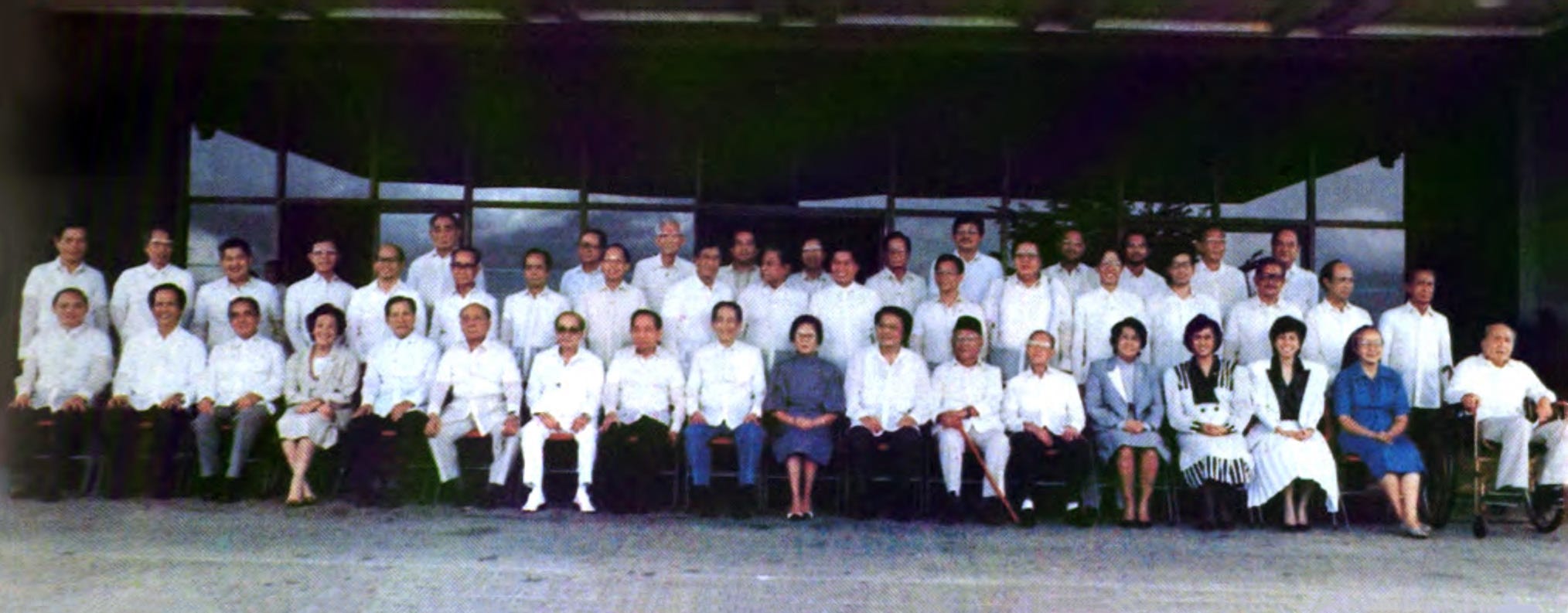
A gay film director, an organic farmer, a student activist, a businessman and a priest-lawyer walk into a room… sounds like the opening for a funny punchline. But this was the reality when forty-eight Filipinos from all walks of life were called by newly elected President Corazon Aquino to walk into a room, sit with each other, and discuss what would become the Philippines’ reigning supreme law: the 1987 Constitution.
Beyond its preamble, the 1987 Constitution put the Filipino people first. It showed emphasis on ensuring safe working conditions and a livable planet. It also championed gender justice and the rights of indigenous peoples. The 1987 Constitution even puts the power of the people first over military power. This new constitution had ambition, as scholars would put it, and the members of the Constitutional Commission of 1986 who framed this knew that. Just like other countries who crafted constitutions during this era, and were undergoing efforts to restore democracy, the 1987 framers had a responsibility to safeguard the country from another blatant disregard of the country’s constitution.
Unfortunately, this disregard has now become silent.
It’s been nearly thirty-eight years since the 1987 Constitution was ratified, and no enabling laws have been made to pass some of the many state principles and policies it seeks to uphold. There is still no law prohibiting political dynasties who seek many government positions, nor has there been laws that uphold the separation of church and state. Even if laws are created to satisfy constitutional ideals, these policies are scrutinized for its sub-par implementation for the sectors it seeks to uphold. One such case is the lackluster agrarian reforms in the country that continue to give farmers and fisherfolk the shorter end of the stick.1
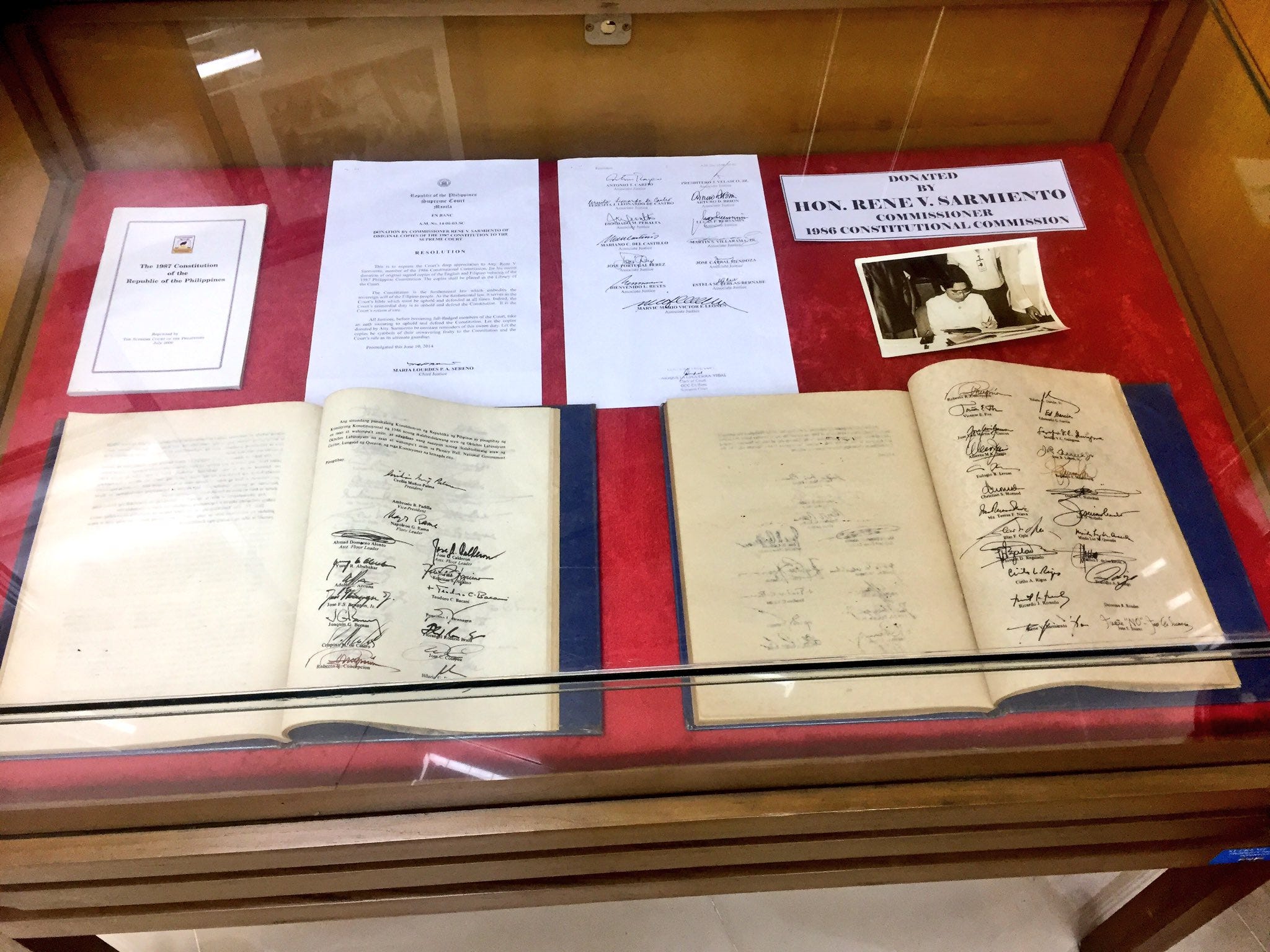
Although this would not be the end of lawmakers’ blatant disregard for the 1987 Constitution.
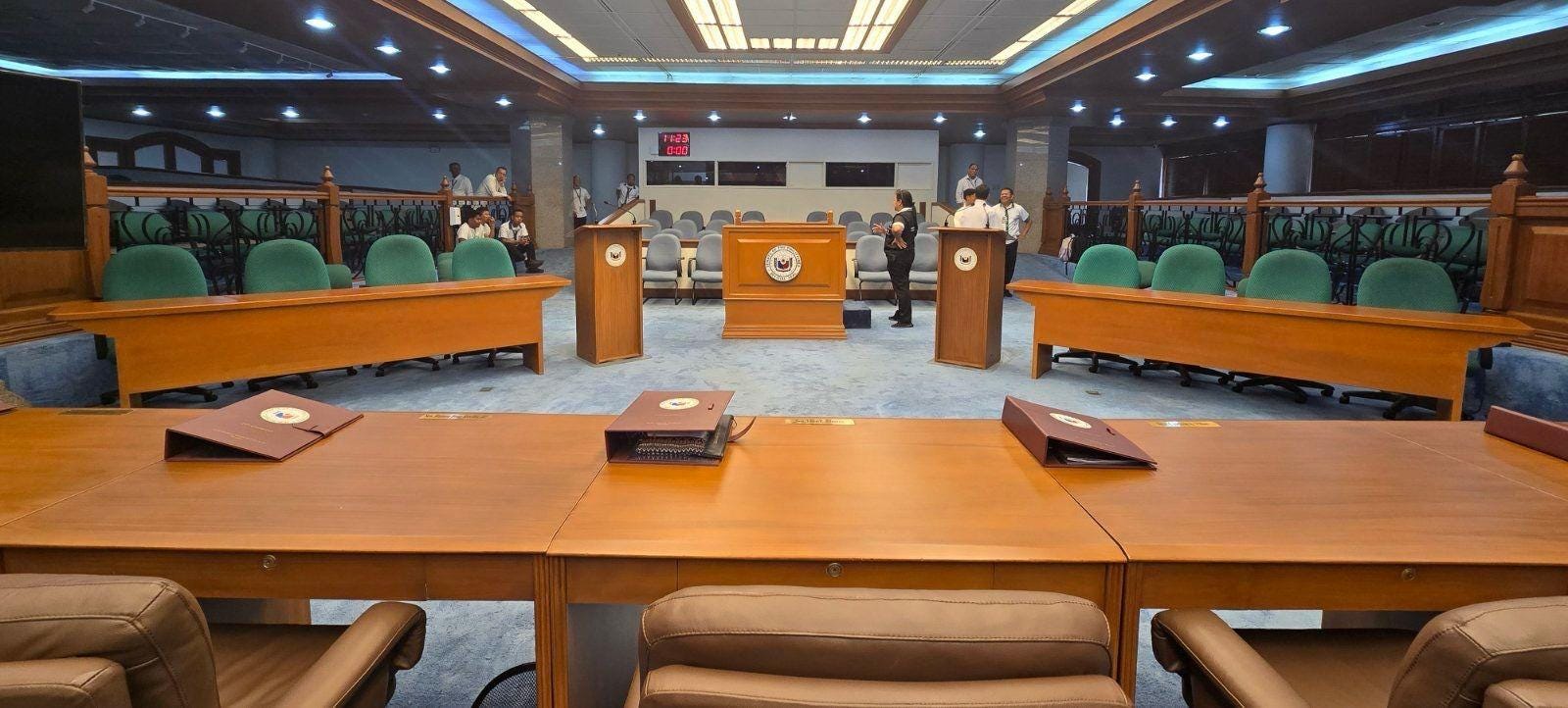
The senators of the 19th Congress have currently come under fire from Constitutional law experts, and even framers of the 1987 Constitution themselves for underplaying the urgency demanded by the constitution in its article outlining the proceedings for holding public officials accountable. The star of the show? Vice President Sara Duterte’s delayed impeachment proceedings.
Critics of the slowpoke senators have a buzzword they love to use: forthwith. Article 11, Section 3.4 calls for the Senate to forthwith proceed—immediately, without delay—with its impeachment trial once it receives a verified complaint or resolution filed by at least one third of the House of Representatives. For the case of Vice President Duterte’s impeachment, this has become mere suggestion. Months after the House of Representatives consolidated three impeachment complaints filed by various civil society groups by filing a fourth complaint on February 5, 2025 with nearly two-thirds of the House endorsing the case, the Senate has yet to accept the House’s articles of impeachment.
Senate President Francis Escudero would throw the first stone by citing the bad timing of the House complaint, as it was filed on the last day before the 19th Congress would go on recess for the 2025 Midterm Elections. For Senator Escudero, he would rather have an impeachment trial that was not rushed, and was legal per se. Legislators then rang the forthwith bell, saying that a special session can and should be convened by the Senate to address this as per the Constitution. He would not budge, although special sessions would be held by his colleagues Senator Imee Marcos and Francis Tolentino on issues beyond the impeachment while the Senate was on recess.
Now, Escudero and his colleagues are feeling the heat once more and it’s definitely gotten hotter. Once the Senate reconvened after recess last June 2, 2025, the Senate President once again delayed the acceptance of the articles of impeachment proceedings by focusing instead on the processing of priority bills set by the Legislative Executive Development Advisory Council. The forthwith bell rings once more, now with more academic institutions, religious orders, and civil society groups chiming in. The delay according to the Philippines’ national university’s law faculty “undermines the core democratic principle of checks and balances”, while all the schools ran by De La Salle brothers in the country stated that the impeachment trial is “a sacred mechanism enshrined in the 1987 Constitution to ensure that the highest public officials remain answerable” to the public. It also seems as if the public is ringing the forthwith bell, with only 7% of Filipinos saying that VP Sara Duterte should not address the impeachment charges according to a survey.
Patterns from policy or impeachment implementations show that lawmakers need to start taking the 1987 Constitution seriously, especially when the constitution has a preferential option for the people. Whether it’s by formulating better laws that benefit the people, or by hearing their cries through carrying on an overdue impeachment trial, the Constitution will never be able to fulfill its mandate without lawmakers who take it to heart and act accordingly.
It’s actually bothersome when the legislators we have put in to power do not fear being “unconstitutional.” That it is nothing but an empty threat, nor is it something one should steer away from. In fact, our legislators should take the constitution to heart as a compass that guides them towards making pro-people choices. Apparently, to be unconstitutional is now the norm. To be unconstitutional is to finally put the interests of lawmakers in mind, and not of those they serve. Maybe that’s why so many of our lawmakers want to amend it.
The Senate’s disregard for the impeachment proceedings of the 1987 Constitution sets a cautious precedent that affirms decades of mediocre legislative action by mediocre legislators: the Constitution is only mere suggestion, not supreme rule. And who loses when judicial rulings and public policies fall short to constitutional principles? It is we, the sovereign Filipino people.2
I love the 1987 Constitution so much and I’d like to recommend this really awesome publication from the University of the Philippines Center for Integrative and Development Studies that helped me fact check this first segment.